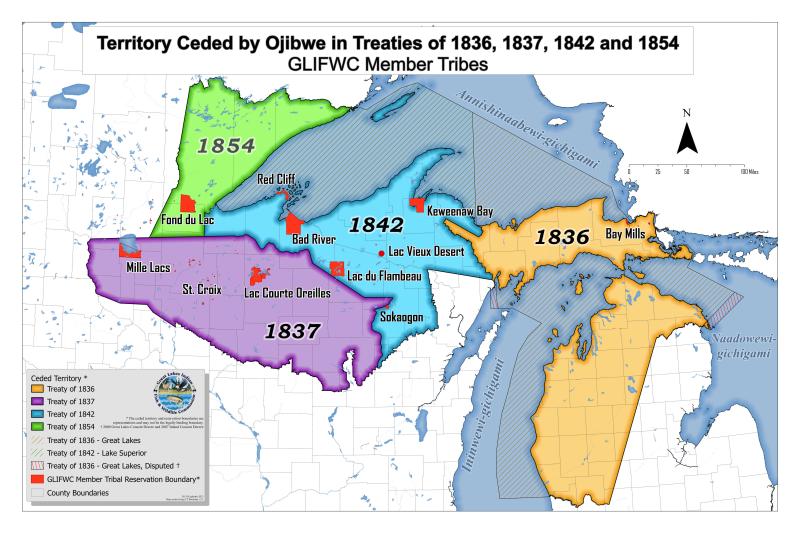
The Great Lakes Indian Fish & Wildlife Commission is commonly known by its acronym, GLIFWC. Formed in 1984, GLIFWC serves eleven Ojibwe tribes in Minnesota, Wisconsin, and Michigan who reserved hunting, fishing, and gathering rights in the 1836, 1837, 1842, and 1854 Treaties with the United States government.
GLIFWC provides natural resource management expertise, conservation enforcement, legal and policy analysis, and public information services in support of the exercise of treaty rights during well-regulated, off-reservation seasons throughout the treaty-ceded territories.
Am I in Ceded Territory? Click to explore maps.
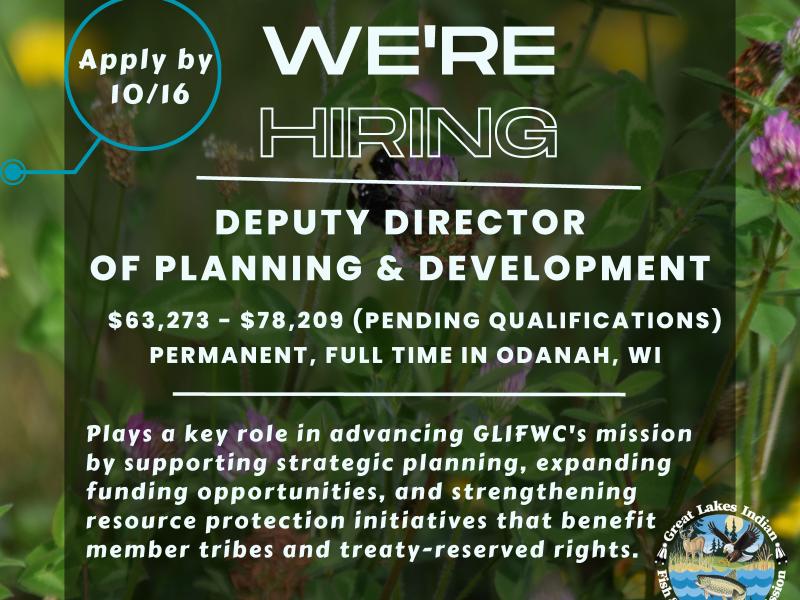
As an integral part of GLIFWC's leadership succession strategy, this position offers a unique opportunity for professional growth and mentorship while helping ensure long-term organizational continuity within the Planning and Development Division.
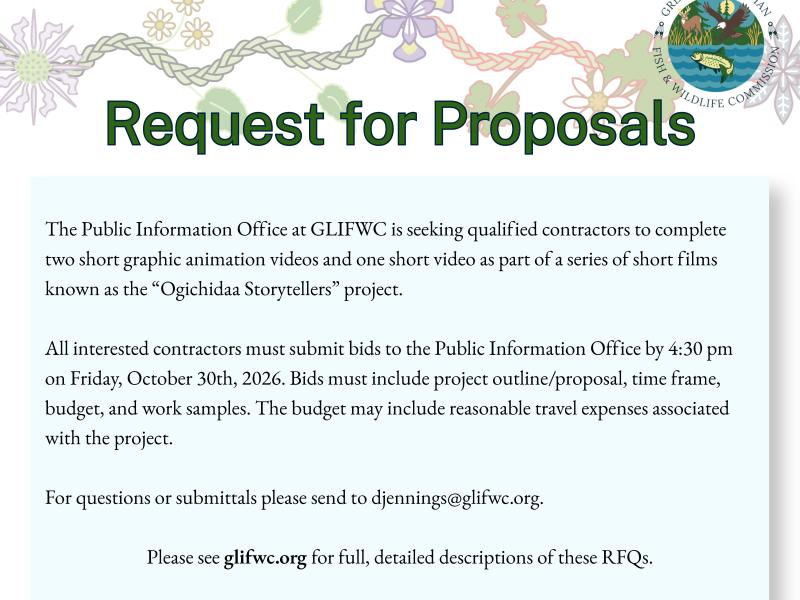
The Great Lakes Indian Fish & Wildlife Commission (GLIFWC) is an intertribal agency consisting of eleven member Ojibwe Bands providing assistance to the bands in activities necessary for the implementation of treaty-reserved rights and the effective management of treaty protected resources.&n
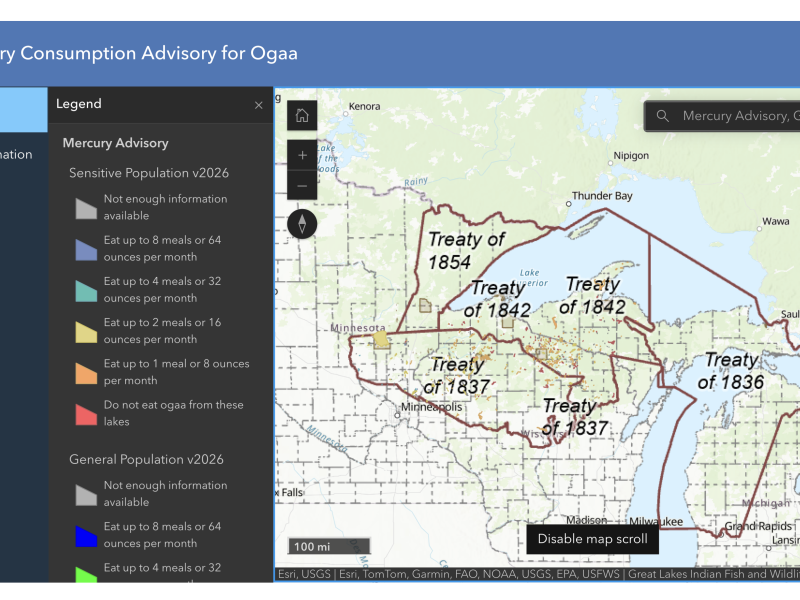
GLIFWC began issuing consumption advice in 1996 for walleye, the species most frequently harvested and consumed by tribal members. The advice is based on mercury health risks and uniquely incorporates consideration of impacts on the traditions and culture of GLIFWC’s member tribes.
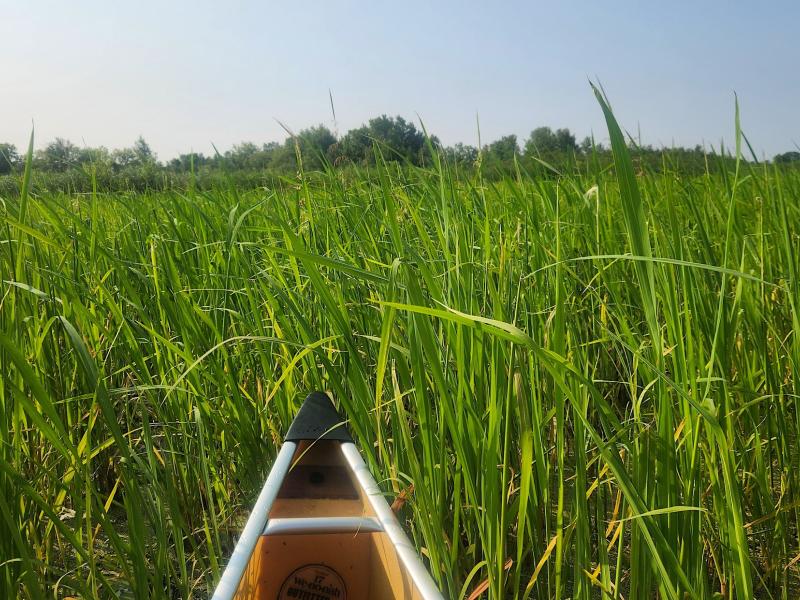
In addition to general harvest regulations, the following provisions apply to manoomin harvesting in the 1837 and 1842 Ceded Territories in Wisconsin and Minnesota.